
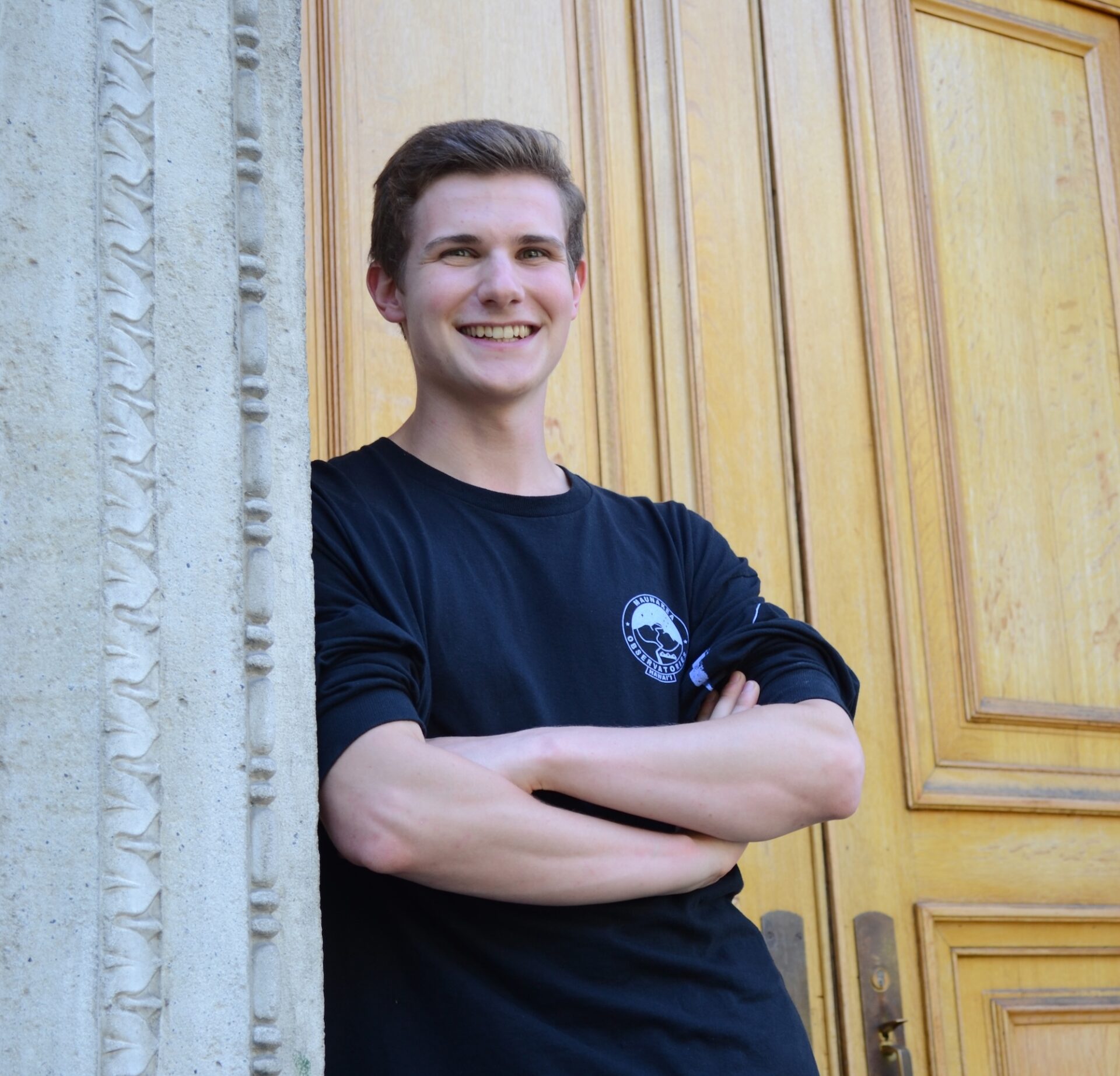
Marco David is a Ph.D. student in Mathematical Physics at UC Berkeley, where his research spans mathematical string theory, knot theory, Diophantine equations, and includes a particular interest in the formal verification of proofs with interactive theorem provers. Marco and collaborators have quantified and formalized the negative response to Hilbert’s Tenth Problem, pioneering a method of close collaboration with the Isabelle theorem prover. His work has been published across physics journals, mathematics periodicals and computer science conferences. Beyond research, he is an award-winning educator who has taught physics, history and education courses at Berkeley.
Explorer Categories: Physics
Katie Bridget Gray
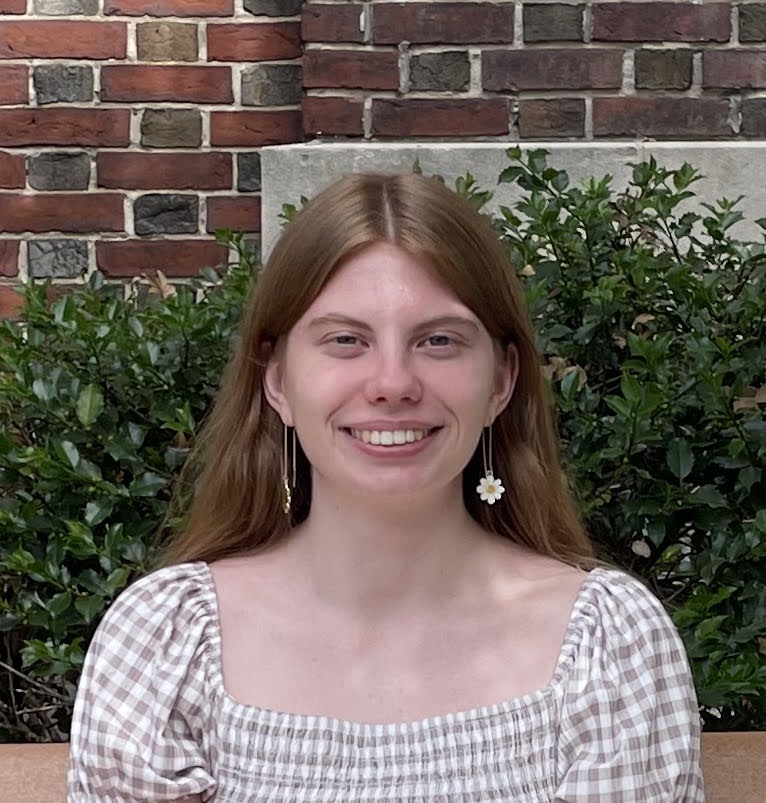
I am a third year physics PhD student advised by Victoria Xu, and my research focuses on quantum enhanced laser interferometry for gravitational wave detection at the LIGO observatories. I’m currently working to develop an improved squeezed light source for use in future LIGO runs, with the hope of extending LIGO’s reach to detect the merger of black holes and neutron stars many more lightyears away! I am originally from New York, and received my BS in Physics from Rensselaer Polytechnic Institute in 2023. When I’m not in the lab, I love exploring new countries, learning languages, and hiking and caving around the Bay Area.
Fatima Yousuf

I am a third-year PhD student working at the Berkeley Physics Department and the Space Sciences Laboratory. I completed my bachelors degrees at Cornell University in physics and math. I work on antenna and lunar environment modelling for the LuSEE-Night experiment. I also research mechanisms that drive post-sunset pre-reversal enhancement in the equatorial zonal electric fields using data from the Ionospheric Connection Explorer (ICON) mission.
Meabh Irene Allen

I am a PhD student at UC Berkeley, where I study non-equilibrium quantum physics with a focus on critical spin systems and their role in quantum technologies. Originally from Ireland, I studied Mathematics and Physics at University College Cork, spent a year in Munich as an Erasmus Scholar, and earned a Master’s in Quantum Fields and Fundamental Forces at Imperial College London before moving to California.
Alongside my research, I enjoy teaching and mentoring students, as well as helping build inclusive communities in science. Outside of academia, I love gardening, yoga, and hiking and horse-riding in the Oakland Hills.
Eve Schoen

Over 15 years ago, a glow of gamma rays from the center of our Galaxy was discovered and its origin remains a mystery to this day. I am a graduate student at Berkeley studying particle astrophysics working to explain this signal using convolutional neural networks. The excess is a large number of unexplained gamma rays originating from the Galactic center and measured by the Fermi Gamma Ray Telescope. Models of dark matter predict a signal which looks tantalizingly close to the excess observed, however astrophysical origins have not yet been excluded. Using machine learning, we aim to clarify whether the statistics of the signal match dark matter or other astrophysical sources. Before my PhD, as an undergraduate at MIT, I studied fast radio bursts (short bursts of radio waves with astrophysical origins) using the CHIME radio telescope and the cosmic microwave background with the BICEP experiment. Beyond physics, I enjoy exploring the outdoors; lately, I have been especially into climbing, backpacking and trail running.
Anousha Griveldinger
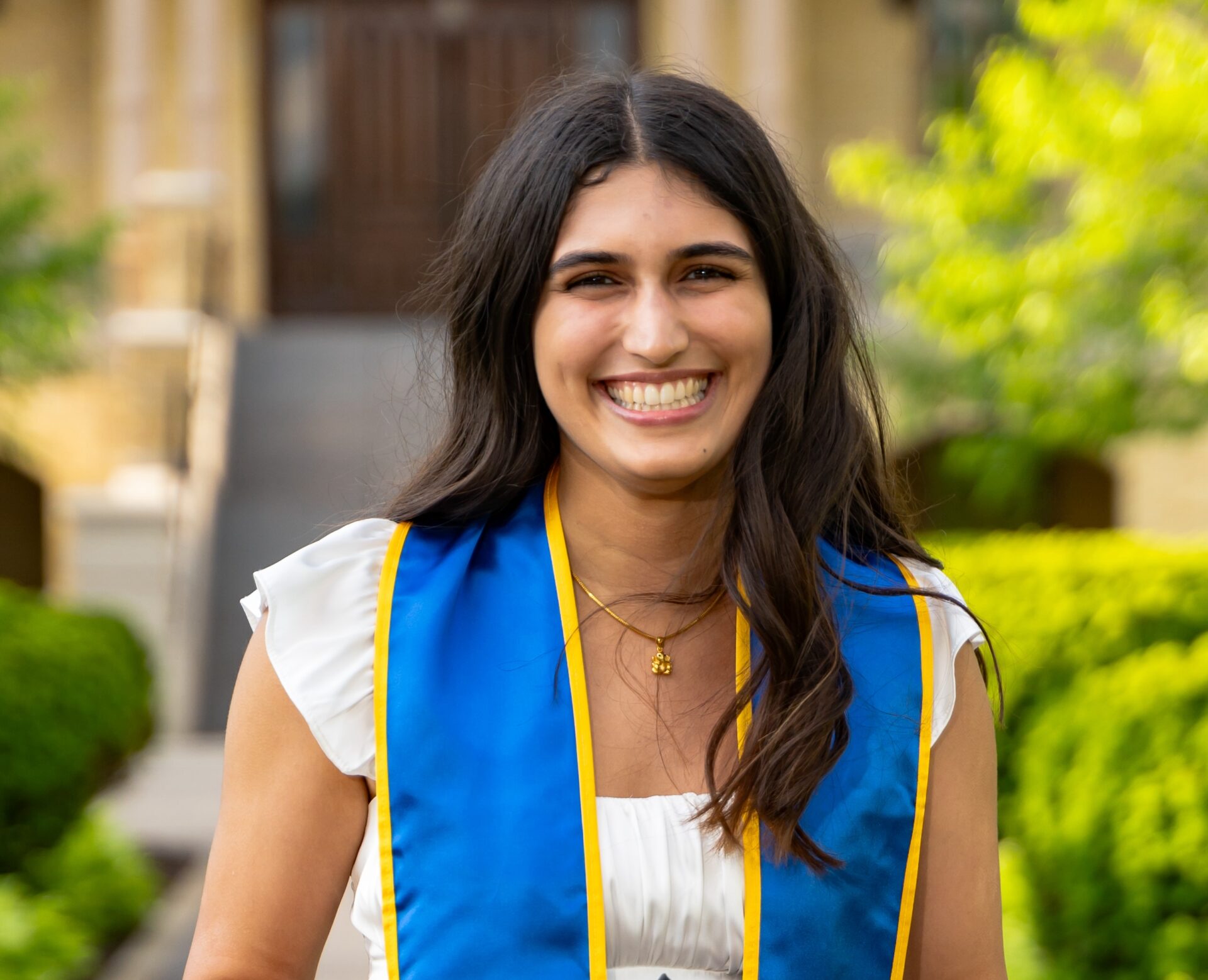
I completed my undergrad at the University of Notre Dame double majoring in physics and French. Now, I’m getting my PhD at UC Berkeley working with Professor Saul Perlmutter. I use spectroscopy to study supernovae, specifically type 1a supernovae, which are considered “standard candles.” Their spectra are highly standardized, so based on the placement of emission lines, we can calculate the redshift of the supernova, allowing us to learn about its distance from us. Outside of physics, I love to run, hike, cook, and play board games with friends.
Roshni Singh

I am a third year physics graduate student at UCB, working with Dr. Daniel Carney at the Lawrence Berkeley National Laboratory. I completed my integrated Bachelor’s and Master’s degree in Engineering Physics from the Indian Institute of Technology Bombay (IIT Bombay). My research interests lie in the application of quantum information science to questions in fundamental physics such as gravity and quantum measurement. I also have a strong interest in non-equilibrium statistical mechanics and thermodynamics.
Beyond research, I am passionate about science communication and outreach. I have been involved in programs such as Splash!, which introduces high school students to advanced concepts beyond their curricula, and Expanding Your Horizons, a conference that encourages middle-school girls and gender-diverse youth to explore STEM careers. I am passionate about making physics more accessible to broader audiences. In my leisure time, I love to hike, play racquet sports and explore adventure-sports. I also have a deep interest in the performing arts – I play piano, sing and write poetry, and participate in poetry slams and open mics. I unwind by reading fiction, playing word-games and baking.
Sierra Elbert

I am a fourth-year undergraduate student at UC Berkeley majoring in physics and astrophysics. I currently do research at the Space Science Laboratory (SSL) working on the impacts of alpha particle distributions on wave dynamics in the solar wind. Previously, I have worked at SSL on lunar regolith sputtering simulations, at UC Santa Cruz on the impact of mixtures of volatiles on exoplanetary radii, and at the University of Osaka on multi-frequency millimeter spectral energy distribution analysis of active galactic nuclei. Although I have been involved in many fields, I’m currently interested in pursuing research in particle cosmology. Outside of work and school, I love staying healthy and fit by meal prepping, lifting weights, and doing yoga and pilates.
Holden I Kowitt

I am a second-year undergraduate student at UC Berkeley majoring in Physics. I work with Professor Chiara Salemi, where I use simulations to design low temperature circuits for use in single photon counting detectors with applications in Axion dark matter detection and Neutrino detection. Previously I was part of a condensed matter physics lab at Stanford which studied graphene heterostructures, where I designed a long-term solution to an optical microscopy issue and introduced anodic oxidation etching of monolayer graphenes. I am interested in continuing research in particle and nuclear physics. Outside of physics I have been deeply involved in the Boy Scouts growing up. I also enjoy volleyball, baking, scuba diving, video games, and anything aquatic!
Orion Ning
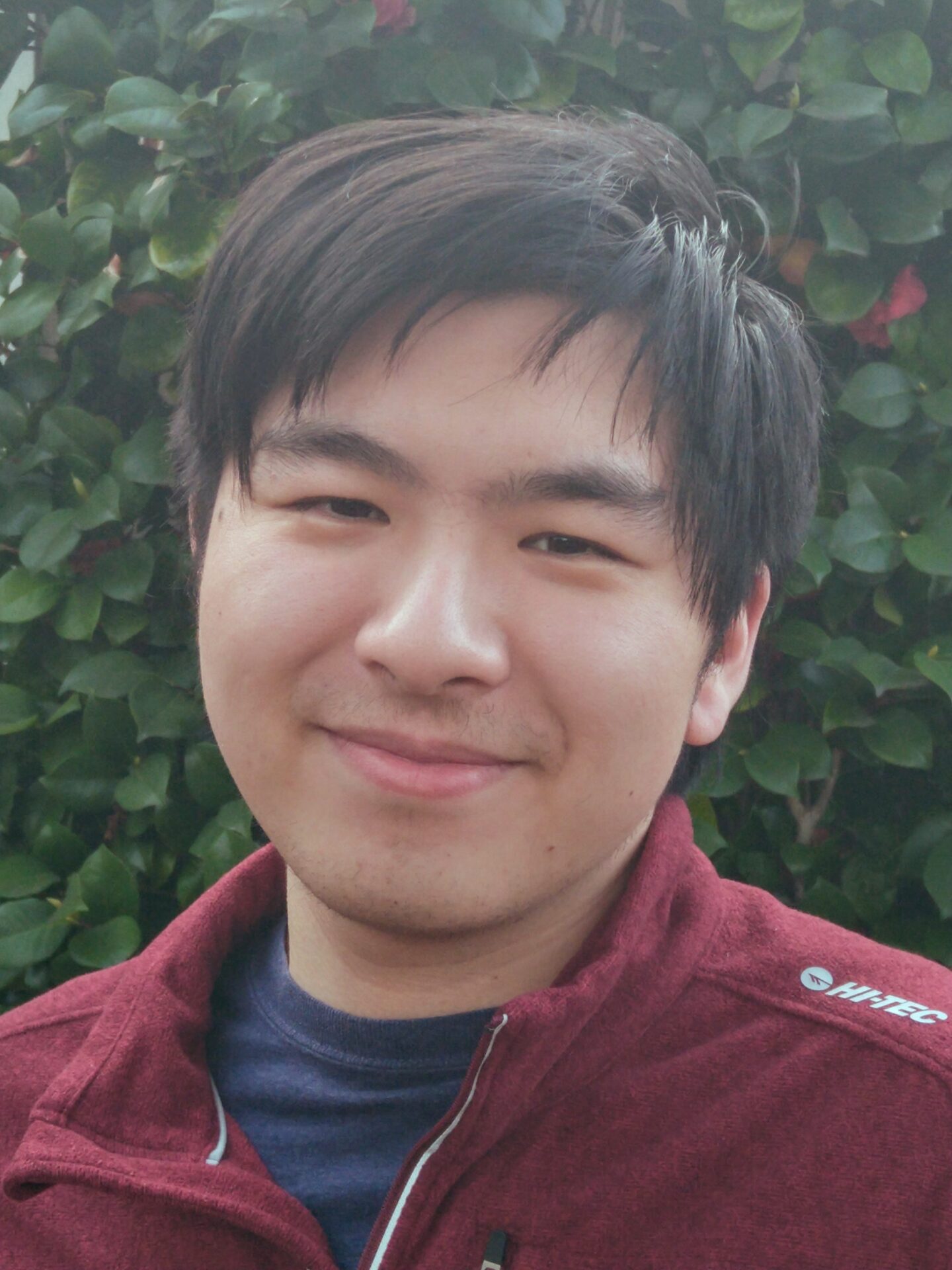
I’m a PhD student at UC Berkeley and a part of the Berkeley Center for Theoretical Physics (BCTP). I broadly study theories for physics beyond the Standard Model (BSM), with an emphasis on the particle theory of dark matter (DM) (although much of my work would probably be considered large perturbations around this problem). We know that dark matter is a real observable phenomenon, but what is its fundamental nature? My research involves constructing, predicting, and searching for evidence of signatures of hypothetical dark matter particle candidates, and in particular my specialty is searching for DM through astrophysical methods. This usually means I take some dark matter particle model (such as axions, higgsinos, or sterile neutrinos) and I look for ways that this model could imprint itself through astrophysical phenomena (stars, galaxies, gravitational waves, etc.), combined with a variety of often novel and intensive statistical and data analysis techniques. Outside of physics, I enjoy playing jazz and orchestral bass, scuba diving, and consuming large quantities of science fiction.